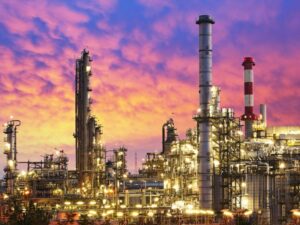
In today’s fast-paced industrial landscape, technology has become a critical driving force for businesses aiming to stay competitive. The manufacturing industry, in particular, has seen incredible advancements due to the integration of innovative tools, automation, and data-driven processes. But what exactly makes technology indispensable in modern manufacturing?
1. Efficiency and Productivity Gains
One of the most significant impacts of technology in manufacturing is the dramatic increase in productivity. Automated machinery, like CNC machines and robotic arms, can perform tasks faster and more accurately than manual labor. This reduces production time, minimizes errors, and ensures that resources are utilized more efficiently.
For example, a modern assembly line outfitted with robotics can run 24/7, drastically increasing output without the need for breaks or shifts. Such automation enables manufacturers to meet growing demand without compromising on quality or consistency.
2. Precision and Consistency
Technological advancements have also allowed manufacturers to achieve an unprecedented level of precision. Tools like laser cutters, 3D printers, and computer-aided design (CAD) software have revolutionized how products are designed and produced. CNC (Computer Numerical Control) machines, for example, can shape materials with microscopic accuracy, ensuring each part meets exact specifications.
This precision reduces material wastage, improves product quality, and cuts down on costly rework, allowing companies to meet strict tolerances required in industries like aerospace, automotive, and electronics.
3. Cost Reduction and Profitability
While the initial investment in advanced machinery and technology may be high, the long-term cost savings are substantial. Automation reduces the need for extensive labor, cuts down on human error, and lowers operational costs through optimized energy and material usage. Technologies like predictive maintenance, powered by artificial intelligence (AI), can also prevent costly breakdowns by alerting operators to potential machine issues before they occur.
This proactive approach not only minimizes downtime but also extends the lifespan of machinery, reducing the need for frequent replacements and repairs.
4. Enhanced Flexibility and Customization
With the rise of digital manufacturing tools such as 3D printing and flexible CNC setups, customization has become more accessible than ever before. In the past, mass production was the only way to maintain efficiency, but now manufacturers can switch between small batch runs and customized products with minimal downtime.
For industries like consumer goods and electronics, this means they can rapidly respond to changing customer preferences, offering tailored solutions without the usual delays or high costs.
5. Sustainability and Environmental Impact
As sustainability becomes a growing priority in global industries, technology is playing a pivotal role in making manufacturing more eco-friendly. Energy-efficient machines, smart sensors that optimize resource usage, and innovations like recycling of waste materials are just a few examples of how technology is reducing the environmental impact of production.
Incorporating green technologies not only helps in meeting environmental regulations but also improves brand reputation and opens new opportunities in markets where sustainability is a key selling point.
6. Data-Driven Decision Making
The rise of the Industrial Internet of Things (IIoT) has introduced smart manufacturing, where machines, sensors, and systems are connected to gather real-time data. This influx of information allows manufacturers to analyze performance, track production quality, monitor inventory, and make data-driven decisions that optimize operations.
Predictive analytics powered by AI can foresee trends, detect potential issues before they arise, and improve overall efficiency, giving manufacturers a significant competitive edge.
Conclusion
The integration of technology in modern manufacturing is no longer a luxury—it’s a necessity. From improving efficiency and precision to reducing costs and environmental impact, the benefits of technological advancements are vast. As the industrial landscape continues to evolve, companies that embrace these innovations are the ones best positioned for long-term success.
The future of manufacturing is not just about making things faster—it’s about making them smarter, greener, and more adaptable. By investing in cutting-edge technology, manufacturers can not only thrive in today’s competitive market but also lead the charge into the future of industry.